Buy noest.or.at ?
We are moving the project
noest.or.at .
Are you interested in purchasing the domain
noest.or.at ?
domain@kv-gmbh.de · 0541-91531010
Buy noest.or.at ?
Does it say "Du hast ein Like" or "Du hast einen Like"?
The correct phrase is "Du hast ein Like." In German, the word "Like" is considered a neuter noun, so it takes the article "ein" instead of "einen." **
Does it say "Du hast mich erschreckt" or "Du hast mich erschrocken"?
The correct phrase is "Du hast mich erschreckt." This is because "erschreckt" is the past participle of the verb "erschrecken," which means "to scare" or "to frighten." Therefore, the correct phrase translates to "You scared me" in English. **
Similar search terms for Hast
Top-Angebote
Products related to Hast:
-
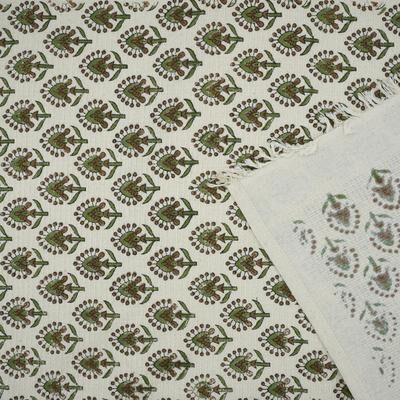
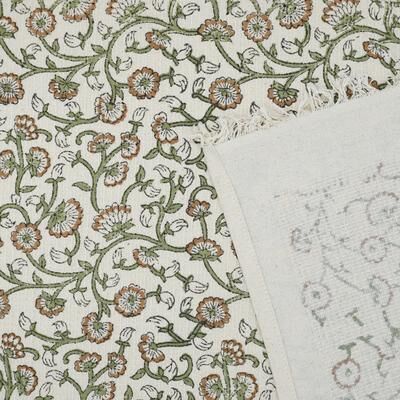
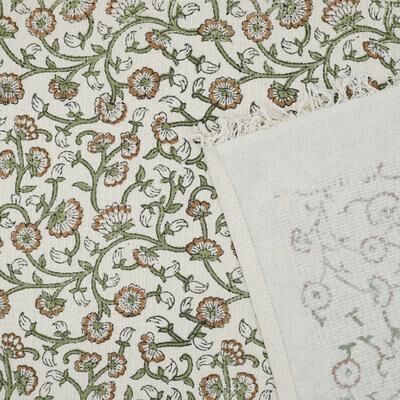
Fabdivine Handmade Floral Block Print Kitchen or Bath Room Hand Towels Home or Office AccentTransform your kitchen, dining area, or bathroom into a space of comfort, style, and artisanal charm with Fabdivine's handmade block print hand towels.149,99 $*Shipping: 0,00 $Secure redirect to the provider
-
Fabdivine Handmade Floral Block Print Kitchen or Bath Room Hand Towels Home or Office AccentTransform your kitchen, dining area, or bathroom into a space of comfort, style, and artisanal charm with Fabdivine's handmade block print hand towels.51,99 $*Shipping: 0,00 $Secure redirect to the provider
-
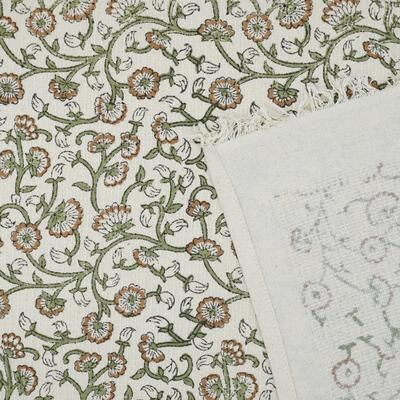
Fabdivine Handmade Floral Block Print Kitchen or Bath Room Hand Towels Home or Office AccentTransform your kitchen, dining area, or bathroom into a space of comfort, style, and artisanal charm with Fabdivine's handmade block print hand towels.274,99 $*Shipping: 0,00 $Secure redirect to the provider
-
Fabdivine Handmade Floral Block Print Kitchen or Bath Room Hand Towels Home or Office AccentTransform your kitchen, dining area, or bathroom into a space of comfort, style, and artisanal charm with Fabdivine's handmade block print hand towels.69,49 $*Shipping: 0,00 $Secure redirect to the provider

-
What is correct: "Du hast mich erschrocken" or "Du hast mich erschreckt"?
Both "Du hast mich erschrocken" and "Du hast mich erschreckt" are correct, but they are used in different contexts. "Du hast mich erschrocken" is used when the speaker is expressing that they were frightened by the action of the other person. "Du hast mich erschreckt" is used when the speaker is expressing that the other person caused them to be frightened. Both forms are commonly used in spoken German. **
-
What does "Du hast Komplexe" mean?
"Du hast Komplexe" is a German phrase that translates to "You have complexes" in English. It is often used to suggest that someone has deep-seated psychological issues or insecurities that are affecting their behavior or attitudes. The phrase can be used in a critical or mocking way to imply that someone is overthinking or overreacting due to their personal issues. **
-
What does "hast ne PN" mean?
"Hast ne PN" is a German abbreviation that stands for "Hast du eine private Nachricht?" which translates to "Do you have a private message?" It is commonly used in online communication to inquire if someone has received a private message or if they have a message that is not meant to be shared publicly. **
-
What does "Du hast kein Leben" mean?
"Du hast kein Leben" is a German phrase that translates to "You have no life" in English. It is often used as an insult or criticism to imply that someone is boring, uninteresting, or has no social life. It can also be used to suggest that someone is overly focused on work or responsibilities and lacks a sense of fun or enjoyment in their life. **


What does "Hast du mir abgefärbt?" mean?
"Hast du mir abgefärbt?" is a German phrase that translates to "Did you rub off on me?" or "Did you influence me?" It is often used to express the idea that someone's behavior or characteristics have had an impact on another person. It can be used in a positive or negative context, depending on the situation. **
What does 'du hast Biss im Arsch' mean?
'Du hast Biss im Arsch' is a German idiom that translates to 'you have bite in your butt' in English. It is used to describe someone who is ambitious, driven, or has a lot of energy and determination. Essentially, it means that the person is motivated and ready to take action. **
Top-Angebote
Products related to Hast:
-
Fabdivine Handmade Floral Block Print Kitchen or Bath Room Hand Towels Home or Office AccentTransform your kitchen, dining area, or bathroom into a space of comfort, style, and artisanal charm with Fabdivine's handmade block print hand towels.124,99 $*Shipping: 0,00 $Secure redirect to the provider
-
Fabdivine Handmade Floral Block Print Kitchen or Bath Room Hand Towels Home or Office AccentTransform your kitchen, dining area, or bathroom into a space of comfort, style, and artisanal charm with Fabdivine's handmade block print hand towels.149,99 $*Shipping: 0,00 $Secure redirect to the provider
-
Fabdivine Handmade Floral Block Print Kitchen or Bath Room Hand Towels Home or Office AccentTransform your kitchen, dining area, or bathroom into a space of comfort, style, and artisanal charm with Fabdivine's handmade block print hand towels.51,99 $*Shipping: 0,00 $Secure redirect to the provider
-
Does it say "Du hast ein Like" or "Du hast einen Like"?
The correct phrase is "Du hast ein Like." In German, the word "Like" is considered a neuter noun, so it takes the article "ein" instead of "einen." **
-
Does it say "Du hast mich erschreckt" or "Du hast mich erschrocken"?
The correct phrase is "Du hast mich erschreckt." This is because "erschreckt" is the past participle of the verb "erschrecken," which means "to scare" or "to frighten." Therefore, the correct phrase translates to "You scared me" in English. **
-
What is correct: "Du hast mich erschrocken" or "Du hast mich erschreckt"?
Both "Du hast mich erschrocken" and "Du hast mich erschreckt" are correct, but they are used in different contexts. "Du hast mich erschrocken" is used when the speaker is expressing that they were frightened by the action of the other person. "Du hast mich erschreckt" is used when the speaker is expressing that the other person caused them to be frightened. Both forms are commonly used in spoken German. **
-
What does "Du hast Komplexe" mean?
"Du hast Komplexe" is a German phrase that translates to "You have complexes" in English. It is often used to suggest that someone has deep-seated psychological issues or insecurities that are affecting their behavior or attitudes. The phrase can be used in a critical or mocking way to imply that someone is overthinking or overreacting due to their personal issues. **
Similar search terms for Hast
-
Fabdivine Handmade Floral Block Print Kitchen or Bath Room Hand Towels Home or Office AccentTransform your kitchen, dining area, or bathroom into a space of comfort, style, and artisanal charm with Fabdivine's handmade block print hand towels.274,99 $*Shipping: 0,00 $Secure redirect to the provider
-
Fabdivine Handmade Floral Block Print Kitchen or Bath Room Hand Towels Home or Office AccentTransform your kitchen, dining area, or bathroom into a space of comfort, style, and artisanal charm with Fabdivine's handmade block print hand towels.69,49 $*Shipping: 0,00 $Secure redirect to the provider
-
Fabdivine Handmade Floral Block Print Kitchen or Bath Room Hand Towels Home or Office AccentTransform your kitchen, dining area, or bathroom into a space of comfort, style, and artisanal charm with Fabdivine's handmade block print hand towels.98,99 $*Shipping: 0,00 $Secure redirect to the provider
-
Fabdivine Handmade Floral Block Print Kitchen or Bath Room Hand Towels Home or Office AccentTransform your kitchen, dining area, or bathroom into a space of comfort, style, and artisanal charm with Fabdivine's handmade block print hand towels.124,99 $*Shipping: 0,00 $Secure redirect to the provider
-
What does "hast ne PN" mean?
"Hast ne PN" is a German abbreviation that stands for "Hast du eine private Nachricht?" which translates to "Do you have a private message?" It is commonly used in online communication to inquire if someone has received a private message or if they have a message that is not meant to be shared publicly. **
-
What does "Du hast kein Leben" mean?
"Du hast kein Leben" is a German phrase that translates to "You have no life" in English. It is often used as an insult or criticism to imply that someone is boring, uninteresting, or has no social life. It can also be used to suggest that someone is overly focused on work or responsibilities and lacks a sense of fun or enjoyment in their life. **
-
What does "Hast du mir abgefärbt?" mean?
"Hast du mir abgefärbt?" is a German phrase that translates to "Did you rub off on me?" or "Did you influence me?" It is often used to express the idea that someone's behavior or characteristics have had an impact on another person. It can be used in a positive or negative context, depending on the situation. **
-
What does 'du hast Biss im Arsch' mean?
'Du hast Biss im Arsch' is a German idiom that translates to 'you have bite in your butt' in English. It is used to describe someone who is ambitious, driven, or has a lot of energy and determination. Essentially, it means that the person is motivated and ready to take action. **
* All prices are inclusive of VAT and, if applicable, plus shipping costs. The offer information is based on the details provided by the respective shop and is updated through automated processes. Real-time updates do not occur, so deviations can occur in individual cases. ** Note: Parts of this content were created by AI.