Buy noest.or.at ?
We are moving the project
noest.or.at .
Are you interested in purchasing the domain
noest.or.at ?
domain@kv-gmbh.de · 0541-91531010
Buy noest.or.at ?
Can you cultivate pyrite at home?
No, it is not possible to cultivate pyrite at home. Pyrite is a naturally occurring mineral and is formed through geological processes involving the presence of iron and sulfur. It is not something that can be created or cultivated in a home setting. Pyrite is commonly found in sedimentary, metamorphic, and igneous rock formations, and is often associated with gold deposits. **
How do you cultivate Sphagnum?
To cultivate Sphagnum, you can start by collecting live Sphagnum moss from a natural habitat or purchasing it from a nursery. Then, you can propagate the moss by dividing it into smaller pieces and placing them in a shallow tray filled with distilled water or rainwater. Make sure to keep the tray in a humid environment with indirect sunlight. Regularly mist the moss to keep it moist and provide it with nutrients by occasionally adding a diluted fertilizer solution. With proper care and maintenance, the Sphagnum moss should continue to grow and spread. **


Similar search terms for Cultivate
Top-Angebote
Products related to Cultivate:
-
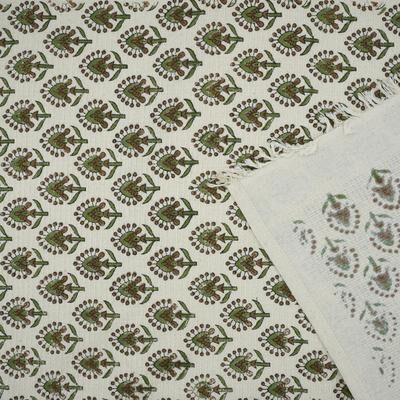
Fabdivine Handmade Floral Block Print Kitchen or Bath Room Hand Towels Home or Office AccentTransform your kitchen, dining area, or bathroom into a space of comfort, style, and artisanal charm with Fabdivine's handmade block print hand towels.124,99 $*Shipping: 0,00 $Secure redirect to the provider
-
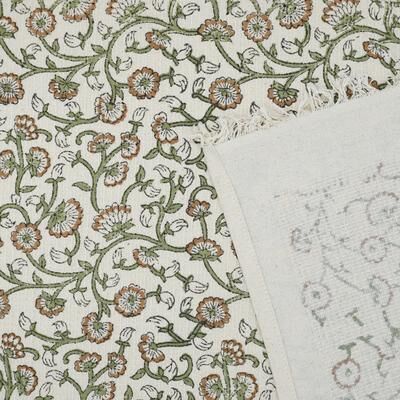
Fabdivine Handmade Floral Block Print Kitchen or Bath Room Hand Towels Home or Office AccentTransform your kitchen, dining area, or bathroom into a space of comfort, style, and artisanal charm with Fabdivine's handmade block print hand towels.149,99 $*Shipping: 0,00 $Secure redirect to the provider
-
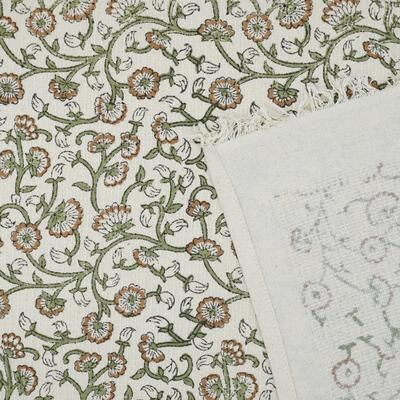
Fabdivine Handmade Floral Block Print Kitchen or Bath Room Hand Towels Home or Office AccentTransform your kitchen, dining area, or bathroom into a space of comfort, style, and artisanal charm with Fabdivine's handmade block print hand towels.51,99 $*Shipping: 0,00 $Secure redirect to the provider
-
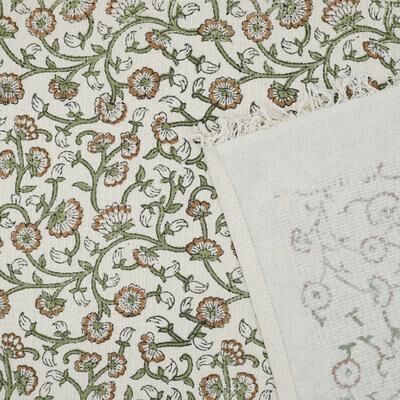
Fabdivine Handmade Floral Block Print Kitchen or Bath Room Hand Towels Home or Office AccentTransform your kitchen, dining area, or bathroom into a space of comfort, style, and artisanal charm with Fabdivine's handmade block print hand towels.274,99 $*Shipping: 0,00 $Secure redirect to the provider

-
How do you cultivate basil?
To cultivate basil, start by choosing a sunny location with well-drained soil. Plant the basil seeds or seedlings in the spring after the last frost. Water the basil regularly, keeping the soil consistently moist but not waterlogged. Pinch off the flowers as they appear to encourage leaf growth and prevent the plant from going to seed too soon. Harvest the basil leaves regularly to promote new growth and keep the plant healthy. **
-
How do you cultivate bacteria?
To cultivate bacteria, you can start by preparing a growth medium, which can be agar plates or liquid broth. Then, you can inoculate the medium with a sample containing the bacteria you want to grow, such as a swab from a surface or a sample from a culture. After inoculation, the plates or broth can be incubated at the optimal temperature for the bacteria to grow. Over time, the bacteria will multiply and form visible colonies on the agar plates or cause the liquid broth to become cloudy. **
-
How do you cultivate oleander?
Oleander can be cultivated by planting it in well-drained soil and a location that receives full sunlight. It is important to water the plant regularly, especially during dry periods, but be careful not to overwater as oleander is drought-tolerant. Pruning oleander in the spring can help promote new growth and maintain its shape. Additionally, fertilizing the plant with a balanced fertilizer in the spring and summer can help promote healthy growth and flowering. It is important to note that all parts of the oleander plant are toxic if ingested, so caution should be taken when cultivating and handling it. **
-
Can you cultivate a pimple?
No, you cannot cultivate a pimple. Pimples are caused by a combination of excess oil, bacteria, and dead skin cells clogging the pores. While you can take steps to prevent pimples, such as keeping your skin clean and using non-comedogenic products, you cannot intentionally cultivate a pimple. Trying to do so could actually harm your skin and lead to more breakouts. **

How do you cultivate yeast?
To cultivate yeast, you can start by creating a mixture of warm water, sugar, and flour to create a feeding ground for the yeast. Once the mixture is ready, you can add a small amount of commercial yeast or use natural sources of yeast, such as fruit or grains, to introduce the yeast culture. Then, you can let the mixture sit in a warm, dark place to allow the yeast to grow and multiply. Regular feeding and maintenance of the yeast culture will help it thrive and be ready for use in baking or brewing. **
How do you cultivate sunflowers?
To cultivate sunflowers, start by choosing a sunny location with well-drained soil. Plant the sunflower seeds directly into the ground after the last frost, spacing them about 6 inches apart. Water the seeds regularly, keeping the soil consistently moist but not waterlogged. As the sunflowers grow, provide support for the tall stems if needed. Additionally, consider fertilizing the soil with a balanced fertilizer to promote healthy growth. Finally, enjoy watching the sunflowers bloom and provide a beautiful addition to your garden. **
Top-Angebote
Products related to Cultivate:
-
A-Street Prints Cultivate Blue Springtime Blooms WallpaperThis charming floral wallpaper is a contemporary take on blue and white timelessness. Spring's first blooms are painted in a variety of blues accented by white and framed by a pale grey backdrop.97,49 $*Shipping: 0,00 $Secure redirect to the provider
-
Fabdivine Handmade Floral Block Print Kitchen or Bath Room Hand Towels Home or Office AccentTransform your kitchen, dining area, or bathroom into a space of comfort, style, and artisanal charm with Fabdivine's handmade block print hand towels.124,99 $*Shipping: 0,00 $Secure redirect to the provider
-
Fabdivine Handmade Floral Block Print Kitchen or Bath Room Hand Towels Home or Office AccentTransform your kitchen, dining area, or bathroom into a space of comfort, style, and artisanal charm with Fabdivine's handmade block print hand towels.149,99 $*Shipping: 0,00 $Secure redirect to the provider
-
Can you cultivate pyrite at home?
No, it is not possible to cultivate pyrite at home. Pyrite is a naturally occurring mineral and is formed through geological processes involving the presence of iron and sulfur. It is not something that can be created or cultivated in a home setting. Pyrite is commonly found in sedimentary, metamorphic, and igneous rock formations, and is often associated with gold deposits. **
-
How do you cultivate Sphagnum?
To cultivate Sphagnum, you can start by collecting live Sphagnum moss from a natural habitat or purchasing it from a nursery. Then, you can propagate the moss by dividing it into smaller pieces and placing them in a shallow tray filled with distilled water or rainwater. Make sure to keep the tray in a humid environment with indirect sunlight. Regularly mist the moss to keep it moist and provide it with nutrients by occasionally adding a diluted fertilizer solution. With proper care and maintenance, the Sphagnum moss should continue to grow and spread. **
-
How do you cultivate basil?
To cultivate basil, start by choosing a sunny location with well-drained soil. Plant the basil seeds or seedlings in the spring after the last frost. Water the basil regularly, keeping the soil consistently moist but not waterlogged. Pinch off the flowers as they appear to encourage leaf growth and prevent the plant from going to seed too soon. Harvest the basil leaves regularly to promote new growth and keep the plant healthy. **
-
How do you cultivate bacteria?
To cultivate bacteria, you can start by preparing a growth medium, which can be agar plates or liquid broth. Then, you can inoculate the medium with a sample containing the bacteria you want to grow, such as a swab from a surface or a sample from a culture. After inoculation, the plates or broth can be incubated at the optimal temperature for the bacteria to grow. Over time, the bacteria will multiply and form visible colonies on the agar plates or cause the liquid broth to become cloudy. **
Similar search terms for Cultivate
-
Fabdivine Handmade Floral Block Print Kitchen or Bath Room Hand Towels Home or Office AccentTransform your kitchen, dining area, or bathroom into a space of comfort, style, and artisanal charm with Fabdivine's handmade block print hand towels.51,99 $*Shipping: 0,00 $Secure redirect to the provider
-
Fabdivine Handmade Floral Block Print Kitchen or Bath Room Hand Towels Home or Office AccentTransform your kitchen, dining area, or bathroom into a space of comfort, style, and artisanal charm with Fabdivine's handmade block print hand towels.274,99 $*Shipping: 0,00 $Secure redirect to the provider
-
Fabdivine Handmade Floral Block Print Kitchen or Bath Room Hand Towels Home or Office AccentTransform your kitchen, dining area, or bathroom into a space of comfort, style, and artisanal charm with Fabdivine's handmade block print hand towels.69,49 $*Shipping: 0,00 $Secure redirect to the provider
-
Fabdivine Handmade Floral Block Print Kitchen or Bath Room Hand Towels Home or Office AccentTransform your kitchen, dining area, or bathroom into a space of comfort, style, and artisanal charm with Fabdivine's handmade block print hand towels.98,99 $*Shipping: 0,00 $Secure redirect to the provider
-
How do you cultivate oleander?
Oleander can be cultivated by planting it in well-drained soil and a location that receives full sunlight. It is important to water the plant regularly, especially during dry periods, but be careful not to overwater as oleander is drought-tolerant. Pruning oleander in the spring can help promote new growth and maintain its shape. Additionally, fertilizing the plant with a balanced fertilizer in the spring and summer can help promote healthy growth and flowering. It is important to note that all parts of the oleander plant are toxic if ingested, so caution should be taken when cultivating and handling it. **
-
Can you cultivate a pimple?
No, you cannot cultivate a pimple. Pimples are caused by a combination of excess oil, bacteria, and dead skin cells clogging the pores. While you can take steps to prevent pimples, such as keeping your skin clean and using non-comedogenic products, you cannot intentionally cultivate a pimple. Trying to do so could actually harm your skin and lead to more breakouts. **
-
How do you cultivate yeast?
To cultivate yeast, you can start by creating a mixture of warm water, sugar, and flour to create a feeding ground for the yeast. Once the mixture is ready, you can add a small amount of commercial yeast or use natural sources of yeast, such as fruit or grains, to introduce the yeast culture. Then, you can let the mixture sit in a warm, dark place to allow the yeast to grow and multiply. Regular feeding and maintenance of the yeast culture will help it thrive and be ready for use in baking or brewing. **
-
How do you cultivate sunflowers?
To cultivate sunflowers, start by choosing a sunny location with well-drained soil. Plant the sunflower seeds directly into the ground after the last frost, spacing them about 6 inches apart. Water the seeds regularly, keeping the soil consistently moist but not waterlogged. As the sunflowers grow, provide support for the tall stems if needed. Additionally, consider fertilizing the soil with a balanced fertilizer to promote healthy growth. Finally, enjoy watching the sunflowers bloom and provide a beautiful addition to your garden. **
* All prices are inclusive of VAT and, if applicable, plus shipping costs. The offer information is based on the details provided by the respective shop and is updated through automated processes. Real-time updates do not occur, so deviations can occur in individual cases. ** Note: Parts of this content were created by AI.