Buy noest.or.at ?
We are moving the project
noest.or.at .
Are you interested in purchasing the domain
noest.or.at ?
domain@kv-gmbh.de · 0541-91531010
Buy noest.or.at ?
What is Sanremo Oak Terra crosswise natural beech wood decor?
Sanremo Oak Terra crosswise natural beech wood decor is a type of wood decor finish that mimics the look of natural beech wood. It features a crosswise pattern that adds a unique and stylish touch to any surface it is applied to. This decor is often used in furniture, flooring, and interior design to create a warm and natural aesthetic. **
What is a succulent?
A succulent is a type of plant that stores water in its leaves, stems, or roots, allowing it to survive in arid environments. These plants are known for their thick, fleshy leaves and stems, as well as their ability to thrive with minimal water. Succulents come in a wide variety of shapes, sizes, and colors, making them popular choices for indoor and outdoor gardens. **

Similar search terms for Nearly-Natural-17-Succulent
Top-Angebote
Products related to Nearly-Natural-17-Succulent:
-
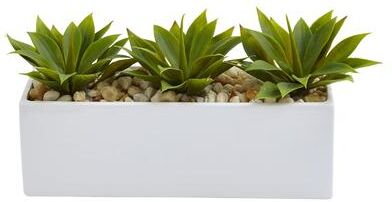
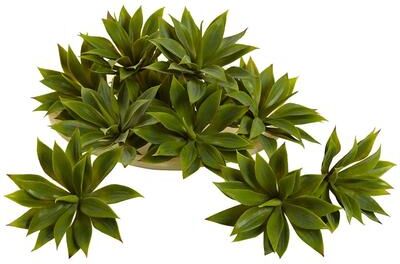
Nearly Natural "29"" Double Agave Succulent Artificial Plant"Make your space green and full of life with this realistic-looking artificial succulent. Green leaves give the plant a lush, healthy look, while the plain black planter is simple and easy to match.106,99 $*Shipping: 0,00 $Secure redirect to the provider
-
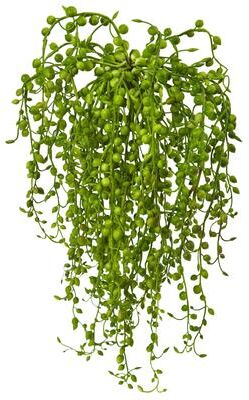
Nearly Natural Senecio Artificial Succulent (Set of 3)Senecio's succulent beautiful cascading green leaves add color and grace to any space. This set of three can add vibrance to your space. It's an excellent option for apartments, small offices, or anywhere else that may be tight on space.56,48 $*Shipping: 0,00 $Secure redirect to the provider

-
Are those succulent roots?
Yes, those are succulent roots. Succulent roots are typically thick, fleshy, and store water to help the plant survive in arid conditions. They are often found in plants that are adapted to dry environments, such as cacti and other desert plants. The succulent roots help the plant to efficiently absorb and store water, allowing them to thrive in harsh conditions. **
-
Is this a cactus or a succulent?
This is a succulent. While cacti are a type of succulent, not all succulents are cacti. Succulents are plants that store water in their leaves, stems, or roots to survive in arid environments. Cacti are a specific type of succulent that have areoles, which are unique structures where spines, branches, or flowers grow from. **
-
What is a succulent disease?
A succulent disease is a condition that affects succulent plants, such as cacti and other water-storing plants. These diseases can be caused by various factors, including fungal infections, bacterial infections, pests, and environmental stress. Symptoms of succulent diseases may include discoloration, rotting, wilting, or unusual growth patterns. Proper care, such as providing adequate sunlight, well-draining soil, and avoiding overwatering, can help prevent succulent diseases. **
-
Will my succulent dry out?
Succulents are known for their ability to store water in their leaves, making them more tolerant to dry conditions. However, if a succulent is not watered for an extended period of time, it can dry out. It is important to monitor the soil moisture levels and water your succulent when the top inch of soil is dry to prevent it from drying out. Additionally, make sure your succulent is planted in well-draining soil and in a pot with drainage holes to avoid waterlogged conditions that can lead to root rot. **
Is the succulent too dry?
It's difficult to determine if a succulent is too dry without seeing it in person. However, some signs that a succulent may be too dry include shriveled or wrinkled leaves, a wilted appearance, or a dry, brittle texture. If you suspect your succulent is too dry, try gently watering it and monitoring its condition over the next few days to see if it improves. If the problem persists, it may be best to seek advice from a gardening expert. **
What does my succulent have?
It is difficult to diagnose the issue without more information, but common problems for succulents include overwatering, underwatering, pests such as mealybugs or spider mites, and diseases such as root rot or powdery mildew. Check the soil moisture, inspect the plant for any signs of pests or diseases, and make sure it is receiving the appropriate amount of sunlight. If the issue persists, consider repotting the succulent in fresh, well-draining soil. **
Top-Angebote
Products related to Nearly-Natural-17-Succulent:
-
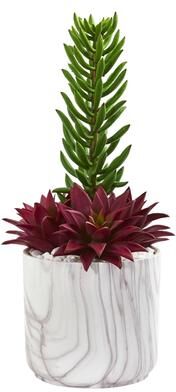
Nearly Natural "17"" Succulent Artificial Plant in Marble Vase"Enjoy flourishing beauty without worrying about pruning and watering by choosing this artificial succulent plant. The red and green colors energize your decor, while the marble-finished, ceramic base creates an elegant arrangement.95,49 $*Shipping: 0,00 $Secure redirect to the provider
-
Nearly Natural "11"" Succulent Artificial Plant - 4"""Escape to the desert with this succulent artificial plant. Incredibly lifelike with spiky colored edges and variegated, thick leaves, heat your home year-round with your DIY desert oasis.41,99 $*Shipping: 0,00 $Secure redirect to the provider
-
Nearly Natural "29"" Double Agave Succulent Artificial Plant"Make your space green and full of life with this realistic-looking artificial succulent. Green leaves give the plant a lush, healthy look, while the plain black planter is simple and easy to match.106,99 $*Shipping: 0,00 $Secure redirect to the provider
-
What is Sanremo Oak Terra crosswise natural beech wood decor?
Sanremo Oak Terra crosswise natural beech wood decor is a type of wood decor finish that mimics the look of natural beech wood. It features a crosswise pattern that adds a unique and stylish touch to any surface it is applied to. This decor is often used in furniture, flooring, and interior design to create a warm and natural aesthetic. **
-
What is a succulent?
A succulent is a type of plant that stores water in its leaves, stems, or roots, allowing it to survive in arid environments. These plants are known for their thick, fleshy leaves and stems, as well as their ability to thrive with minimal water. Succulents come in a wide variety of shapes, sizes, and colors, making them popular choices for indoor and outdoor gardens. **
-
Are those succulent roots?
Yes, those are succulent roots. Succulent roots are typically thick, fleshy, and store water to help the plant survive in arid conditions. They are often found in plants that are adapted to dry environments, such as cacti and other desert plants. The succulent roots help the plant to efficiently absorb and store water, allowing them to thrive in harsh conditions. **
-
Is this a cactus or a succulent?
This is a succulent. While cacti are a type of succulent, not all succulents are cacti. Succulents are plants that store water in their leaves, stems, or roots to survive in arid environments. Cacti are a specific type of succulent that have areoles, which are unique structures where spines, branches, or flowers grow from. **
Similar search terms for Nearly-Natural-17-Succulent
-
Nearly Natural Senecio Artificial Succulent (Set of 3)Senecio's succulent beautiful cascading green leaves add color and grace to any space. This set of three can add vibrance to your space. It's an excellent option for apartments, small offices, or anywhere else that may be tight on space.56,48 $*Shipping: 0,00 $Secure redirect to the provider
-
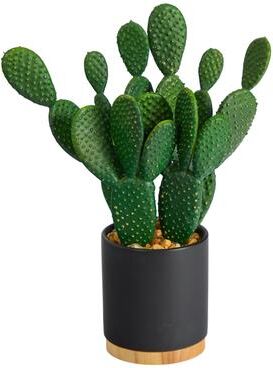
Nearly Natural "10"" Cactus Succulent Artificial Plant in Planter"Bring those desert vibes to any area with this maintenance-free artificial succulent plant. Inspired by the Arizonian desert and crafted by horticulturists, the spiky, dark-colored leaves add depth and texture to any space.32,36 $*Shipping: 0,00 $Secure redirect to the provider
-
What is a succulent disease?
A succulent disease is a condition that affects succulent plants, such as cacti and other water-storing plants. These diseases can be caused by various factors, including fungal infections, bacterial infections, pests, and environmental stress. Symptoms of succulent diseases may include discoloration, rotting, wilting, or unusual growth patterns. Proper care, such as providing adequate sunlight, well-draining soil, and avoiding overwatering, can help prevent succulent diseases. **
-
Will my succulent dry out?
Succulents are known for their ability to store water in their leaves, making them more tolerant to dry conditions. However, if a succulent is not watered for an extended period of time, it can dry out. It is important to monitor the soil moisture levels and water your succulent when the top inch of soil is dry to prevent it from drying out. Additionally, make sure your succulent is planted in well-draining soil and in a pot with drainage holes to avoid waterlogged conditions that can lead to root rot. **
-
Is the succulent too dry?
It's difficult to determine if a succulent is too dry without seeing it in person. However, some signs that a succulent may be too dry include shriveled or wrinkled leaves, a wilted appearance, or a dry, brittle texture. If you suspect your succulent is too dry, try gently watering it and monitoring its condition over the next few days to see if it improves. If the problem persists, it may be best to seek advice from a gardening expert. **
-
What does my succulent have?
It is difficult to diagnose the issue without more information, but common problems for succulents include overwatering, underwatering, pests such as mealybugs or spider mites, and diseases such as root rot or powdery mildew. Check the soil moisture, inspect the plant for any signs of pests or diseases, and make sure it is receiving the appropriate amount of sunlight. If the issue persists, consider repotting the succulent in fresh, well-draining soil. **
* All prices are inclusive of VAT and, if applicable, plus shipping costs. The offer information is based on the details provided by the respective shop and is updated through automated processes. Real-time updates do not occur, so deviations can occur in individual cases. ** Note: Parts of this content were created by AI.