Buy noest.or.at ?
We are moving the project
noest.or.at .
Are you interested in purchasing the domain
noest.or.at ?
domain@kv-gmbh.de · 0541-91531010
Buy noest.or.at ?
Solid wood furniture or veneer?
Solid wood furniture is typically more durable and long-lasting compared to veneer furniture, as it is made entirely of solid wood. Solid wood furniture also tends to have a more natural and authentic look and feel, as it showcases the natural grain and texture of the wood. On the other hand, veneer furniture is made of a thin layer of real wood glued onto a base material, which can be more affordable and have a more consistent appearance, but may not be as durable or long-lasting as solid wood furniture. Ultimately, the choice between solid wood and veneer furniture depends on personal preference, budget, and desired level of durability. **
What distinguishes conditional probability from independent probability?
Conditional probability is the probability of an event occurring given that another event has already occurred. It takes into account the information about the occurrence of one event when calculating the probability of another event. Independent probability, on the other hand, is the probability of one event occurring without any influence from the occurrence of another event. In other words, conditional probability is influenced by the occurrence of a specific event, while independent probability is not influenced by any other event. **

Similar search terms for Probability
Top-Angebote
Products related to Probability:
-
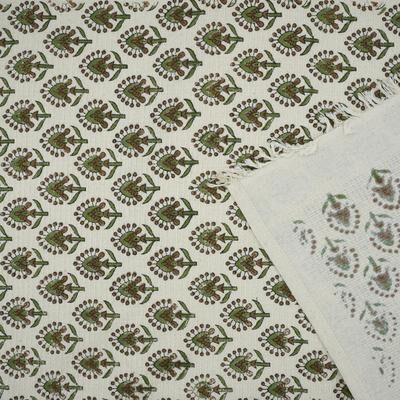
Fabdivine Handmade Floral Block Print Kitchen or Bath Room Hand Towels Home or Office AccentTransform your kitchen, dining area, or bathroom into a space of comfort, style, and artisanal charm with Fabdivine's handmade block print hand towels.149,99 $*Shipping: 0,00 $Secure redirect to the provider
-
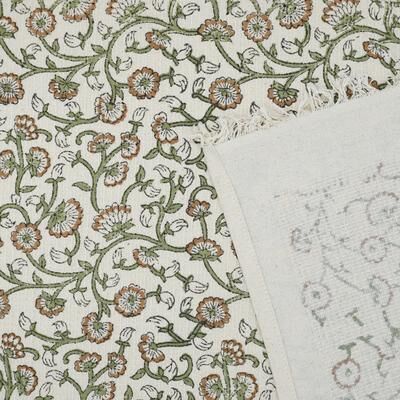
Fabdivine Handmade Floral Block Print Kitchen or Bath Room Hand Towels Home or Office AccentTransform your kitchen, dining area, or bathroom into a space of comfort, style, and artisanal charm with Fabdivine's handmade block print hand towels.51,99 $*Shipping: 0,00 $Secure redirect to the provider
-
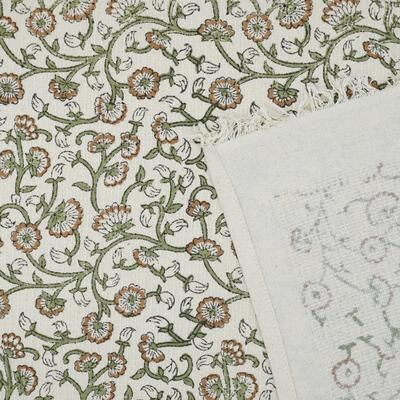
Fabdivine Handmade Floral Block Print Kitchen or Bath Room Hand Towels Home or Office AccentTransform your kitchen, dining area, or bathroom into a space of comfort, style, and artisanal charm with Fabdivine's handmade block print hand towels.274,99 $*Shipping: 0,00 $Secure redirect to the provider
-
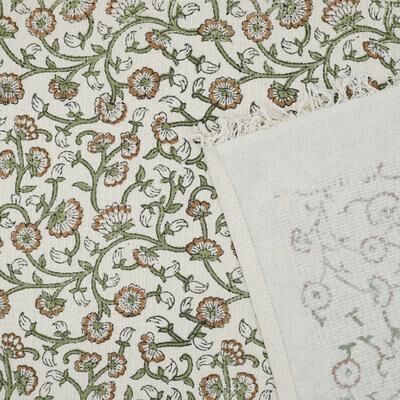
Fabdivine Handmade Floral Block Print Kitchen or Bath Room Hand Towels Home or Office AccentTransform your kitchen, dining area, or bathroom into a space of comfort, style, and artisanal charm with Fabdivine's handmade block print hand towels.69,49 $*Shipping: 0,00 $Secure redirect to the provider

-
What is a probability space in probability theory?
A probability space in probability theory consists of three components: a sample space, an event space, and a probability measure. The sample space is the set of all possible outcomes of an experiment, the event space is a collection of subsets of the sample space representing different events, and the probability measure assigns a probability to each event in the event space. Together, these components define the mathematical framework for analyzing the likelihood of different outcomes in a probabilistic setting. **
-
Combination or permutation in probability theory?
In probability theory, combination and permutation are both important concepts, but they are used in different situations. Combination is used when the order of the elements does not matter, while permutation is used when the order does matter. For example, when choosing a committee of 3 people from a group of 10, the order in which the people are chosen does not matter, so we use combination. On the other hand, when arranging 3 books on a shelf, the order in which the books are arranged matters, so we use permutation. Both concepts are essential for calculating probabilities in different scenarios. **
-
Is probability theory difficult or easy?
Probability theory can be considered difficult for some individuals due to its abstract concepts and mathematical calculations. Understanding the various probability distributions and applying them to real-world scenarios can be challenging. However, with practice and a solid foundation in mathematics, probability theory can become easier to grasp. It ultimately depends on the individual's background knowledge and comfort level with mathematical concepts. **
-
What are the rules of probability in probability theory?
In probability theory, the rules of probability govern how probabilities are calculated and combined. The rules include the addition rule, which states that the probability of either of two mutually exclusive events occurring is the sum of their individual probabilities. The multiplication rule is used to calculate the probability of two independent events both occurring. Additionally, the complement rule states that the probability of an event not occurring is 1 minus the probability of the event occurring. These rules are fundamental in determining the likelihood of different outcomes in various situations. **


How do you correctly calculate probability in probability theory?
In probability theory, the probability of an event occurring is calculated by dividing the number of favorable outcomes by the total number of possible outcomes. This can be represented as P(A) = (Number of favorable outcomes) / (Total number of possible outcomes). It is important to ensure that all possible outcomes are accounted for and that the favorable outcomes are correctly identified. Additionally, the probability of multiple events occurring can be calculated using the multiplication rule for independent events or the addition rule for mutually exclusive events. **
What is the probability in percent in probability theory?
In probability theory, the probability of an event is a measure of the likelihood that the event will occur. It is usually expressed as a number between 0 and 1, or as a percentage between 0% and 100%. A probability of 0% means the event is impossible, while a probability of 100% means the event is certain to occur. The probability of an event can be calculated using various methods, such as counting outcomes, using probability distributions, or applying statistical techniques. **
Top-Angebote
Products related to Probability:
-
Fabdivine Handmade Floral Block Print Kitchen or Bath Room Hand Towels Home or Office AccentTransform your kitchen, dining area, or bathroom into a space of comfort, style, and artisanal charm with Fabdivine's handmade block print hand towels.124,99 $*Shipping: 0,00 $Secure redirect to the provider
-
Fabdivine Handmade Floral Block Print Kitchen or Bath Room Hand Towels Home or Office AccentTransform your kitchen, dining area, or bathroom into a space of comfort, style, and artisanal charm with Fabdivine's handmade block print hand towels.149,99 $*Shipping: 0,00 $Secure redirect to the provider
-
Fabdivine Handmade Floral Block Print Kitchen or Bath Room Hand Towels Home or Office AccentTransform your kitchen, dining area, or bathroom into a space of comfort, style, and artisanal charm with Fabdivine's handmade block print hand towels.51,99 $*Shipping: 0,00 $Secure redirect to the provider
-
Solid wood furniture or veneer?
Solid wood furniture is typically more durable and long-lasting compared to veneer furniture, as it is made entirely of solid wood. Solid wood furniture also tends to have a more natural and authentic look and feel, as it showcases the natural grain and texture of the wood. On the other hand, veneer furniture is made of a thin layer of real wood glued onto a base material, which can be more affordable and have a more consistent appearance, but may not be as durable or long-lasting as solid wood furniture. Ultimately, the choice between solid wood and veneer furniture depends on personal preference, budget, and desired level of durability. **
-
What distinguishes conditional probability from independent probability?
Conditional probability is the probability of an event occurring given that another event has already occurred. It takes into account the information about the occurrence of one event when calculating the probability of another event. Independent probability, on the other hand, is the probability of one event occurring without any influence from the occurrence of another event. In other words, conditional probability is influenced by the occurrence of a specific event, while independent probability is not influenced by any other event. **
-
What is a probability space in probability theory?
A probability space in probability theory consists of three components: a sample space, an event space, and a probability measure. The sample space is the set of all possible outcomes of an experiment, the event space is a collection of subsets of the sample space representing different events, and the probability measure assigns a probability to each event in the event space. Together, these components define the mathematical framework for analyzing the likelihood of different outcomes in a probabilistic setting. **
-
Combination or permutation in probability theory?
In probability theory, combination and permutation are both important concepts, but they are used in different situations. Combination is used when the order of the elements does not matter, while permutation is used when the order does matter. For example, when choosing a committee of 3 people from a group of 10, the order in which the people are chosen does not matter, so we use combination. On the other hand, when arranging 3 books on a shelf, the order in which the books are arranged matters, so we use permutation. Both concepts are essential for calculating probabilities in different scenarios. **
Similar search terms for Probability
-
Fabdivine Handmade Floral Block Print Kitchen or Bath Room Hand Towels Home or Office AccentTransform your kitchen, dining area, or bathroom into a space of comfort, style, and artisanal charm with Fabdivine's handmade block print hand towels.274,99 $*Shipping: 0,00 $Secure redirect to the provider
-
Fabdivine Handmade Floral Block Print Kitchen or Bath Room Hand Towels Home or Office AccentTransform your kitchen, dining area, or bathroom into a space of comfort, style, and artisanal charm with Fabdivine's handmade block print hand towels.69,49 $*Shipping: 0,00 $Secure redirect to the provider
-
Fabdivine Handmade Floral Block Print Kitchen or Bath Room Hand Towels Home or Office AccentTransform your kitchen, dining area, or bathroom into a space of comfort, style, and artisanal charm with Fabdivine's handmade block print hand towels.98,99 $*Shipping: 0,00 $Secure redirect to the provider
-
Fabdivine Handmade Floral Block Print Kitchen or Bath Room Hand Towels Home or Office AccentTransform your kitchen, dining area, or bathroom into a space of comfort, style, and artisanal charm with Fabdivine's handmade block print hand towels.124,99 $*Shipping: 0,00 $Secure redirect to the provider
-
Is probability theory difficult or easy?
Probability theory can be considered difficult for some individuals due to its abstract concepts and mathematical calculations. Understanding the various probability distributions and applying them to real-world scenarios can be challenging. However, with practice and a solid foundation in mathematics, probability theory can become easier to grasp. It ultimately depends on the individual's background knowledge and comfort level with mathematical concepts. **
-
What are the rules of probability in probability theory?
In probability theory, the rules of probability govern how probabilities are calculated and combined. The rules include the addition rule, which states that the probability of either of two mutually exclusive events occurring is the sum of their individual probabilities. The multiplication rule is used to calculate the probability of two independent events both occurring. Additionally, the complement rule states that the probability of an event not occurring is 1 minus the probability of the event occurring. These rules are fundamental in determining the likelihood of different outcomes in various situations. **
-
How do you correctly calculate probability in probability theory?
In probability theory, the probability of an event occurring is calculated by dividing the number of favorable outcomes by the total number of possible outcomes. This can be represented as P(A) = (Number of favorable outcomes) / (Total number of possible outcomes). It is important to ensure that all possible outcomes are accounted for and that the favorable outcomes are correctly identified. Additionally, the probability of multiple events occurring can be calculated using the multiplication rule for independent events or the addition rule for mutually exclusive events. **
-
What is the probability in percent in probability theory?
In probability theory, the probability of an event is a measure of the likelihood that the event will occur. It is usually expressed as a number between 0 and 1, or as a percentage between 0% and 100%. A probability of 0% means the event is impossible, while a probability of 100% means the event is certain to occur. The probability of an event can be calculated using various methods, such as counting outcomes, using probability distributions, or applying statistical techniques. **
* All prices are inclusive of VAT and, if applicable, plus shipping costs. The offer information is based on the details provided by the respective shop and is updated through automated processes. Real-time updates do not occur, so deviations can occur in individual cases. ** Note: Parts of this content were created by AI.